
Following the format established in since 2021, throughout 2025 the ESA-funded EO AFRICA R&D Facility played a key role in strengthening the knowledge and skills of African colleagues in Earth Observation (EO) and in fostering collaboration between African and European researchers. Designed to address diverse learning needs related to tools and algorithms, the Facility implemented a wide range of face-to-face and online courses, supported collaborative research projects and networking events, creating multiple opportunities for knowledge sharing and professional development.
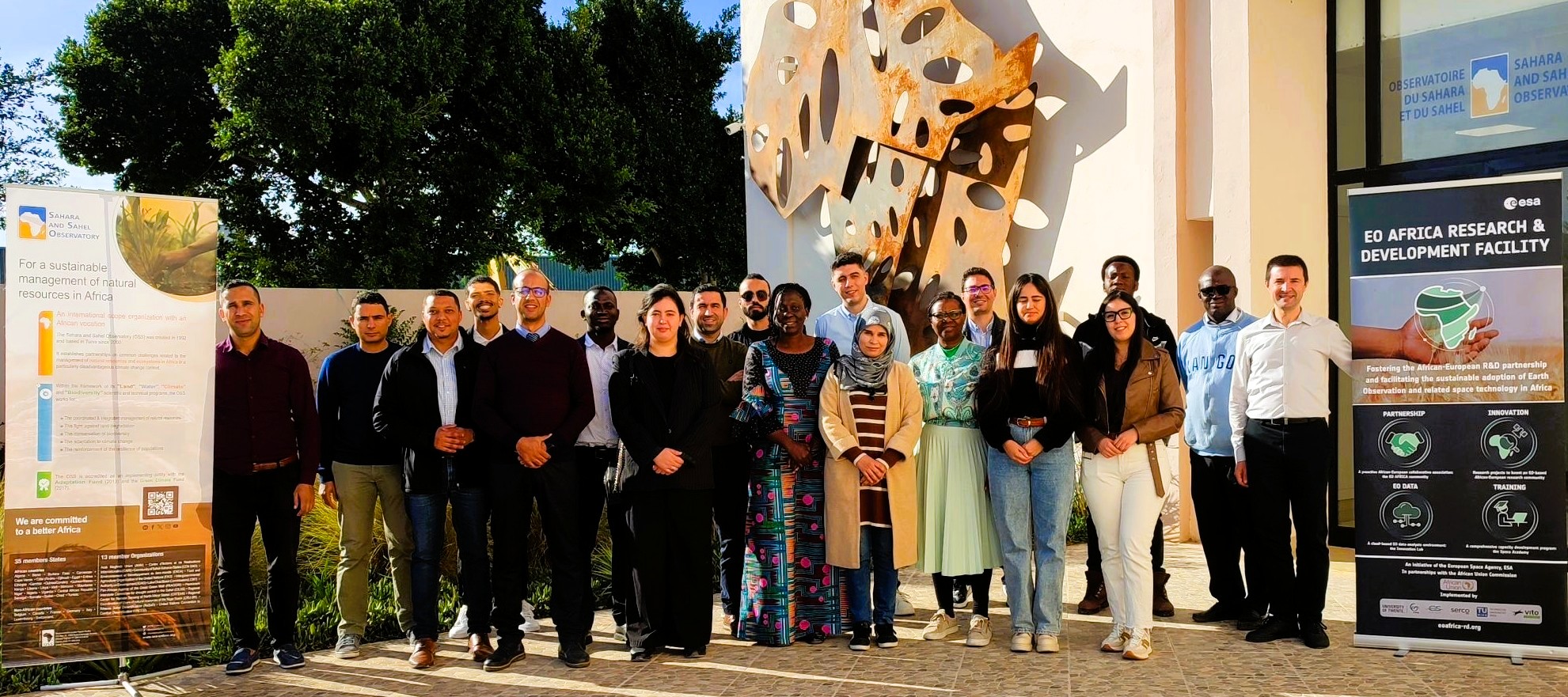
Over the course of 2025, the Facility’s Space Academy delivered a rich portfolio of capacity-building activities, including a webinar series, four online courses and six face-to-face training events. These in-person events were hosted by the Centre Universitaire de Recherche et d’Application en Télédétection (CURAT) in Côte d’Ivoire, L’Université Mohammed VI Polytechnique in Morocco, the National Space Research and Development Agency (NASRDA) in Nigeria, the University of Zambia, the Sahara and Sahel Observatory (OSS) in Tunisia and the Coastal Research Institute in Egypt.
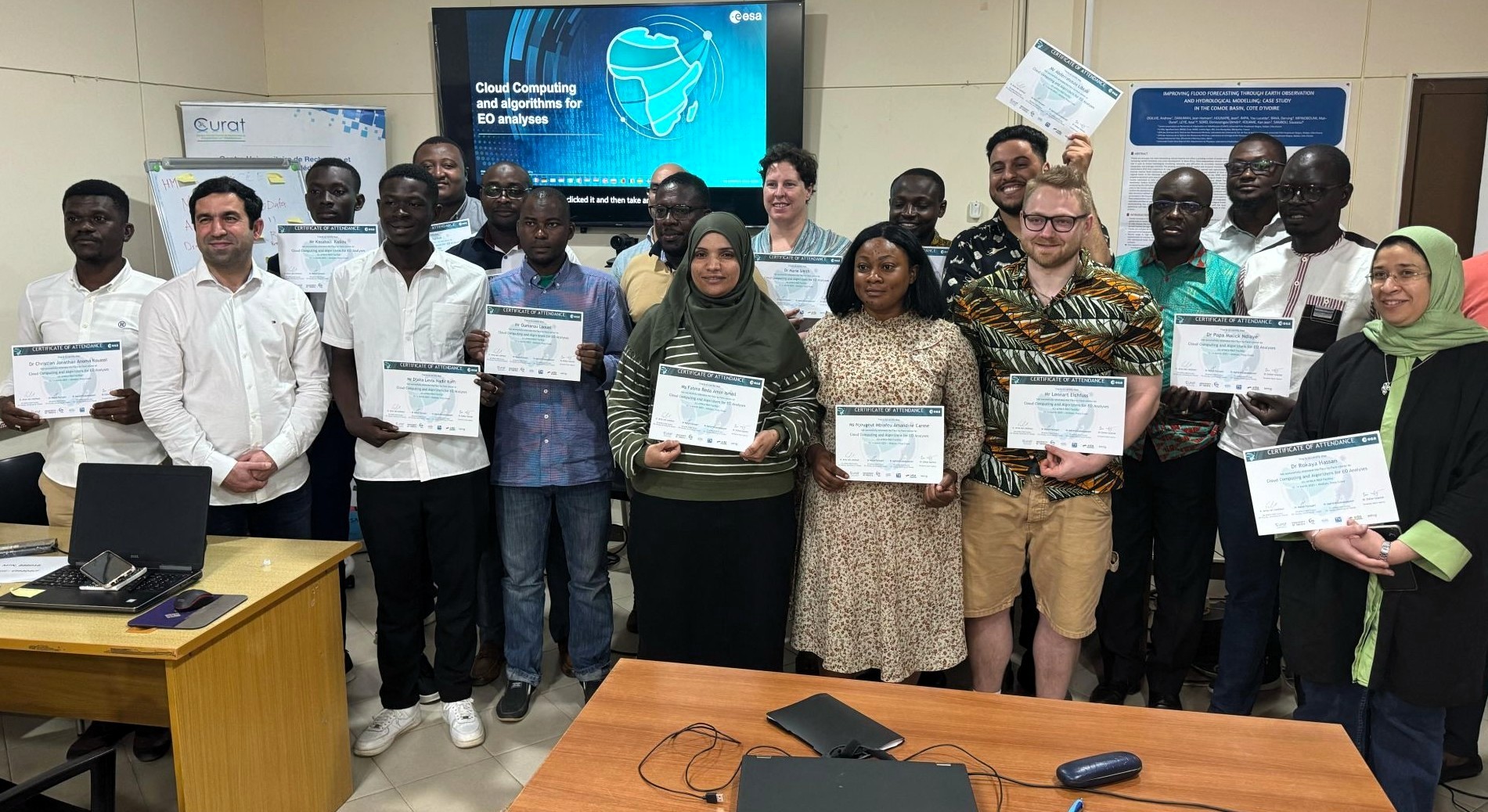
Côte d’Ivoire:
Centre Universitaire de Recherche et d’Application en Télédétection (CURAT)
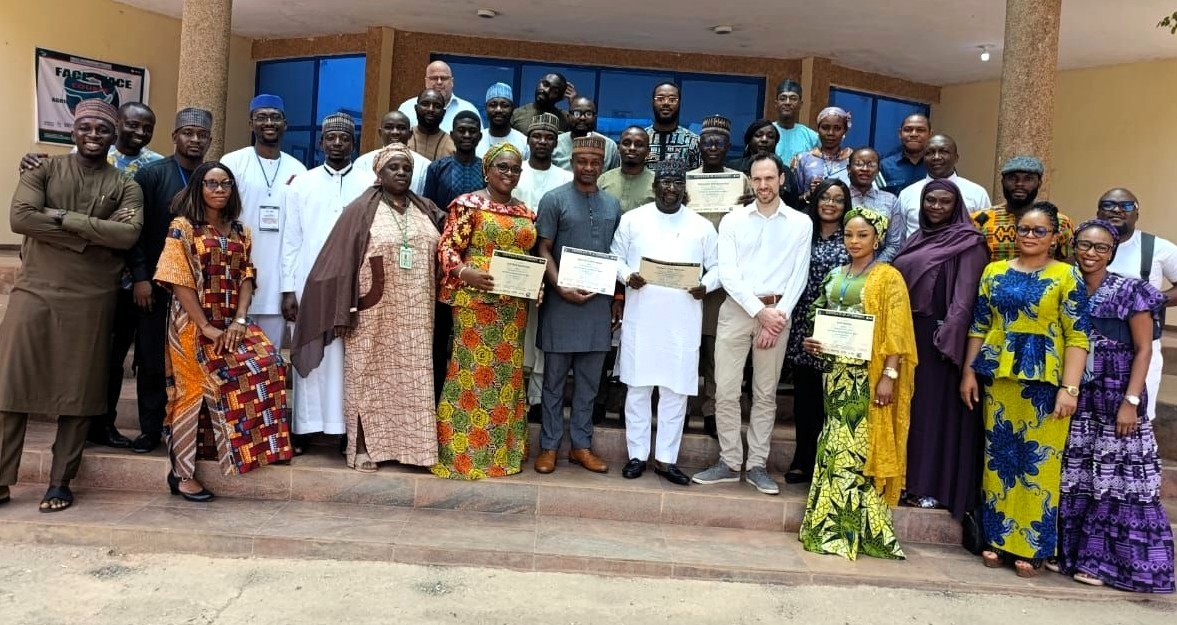
Nigeria:
National Space Research and Development Agency (NASRDA)
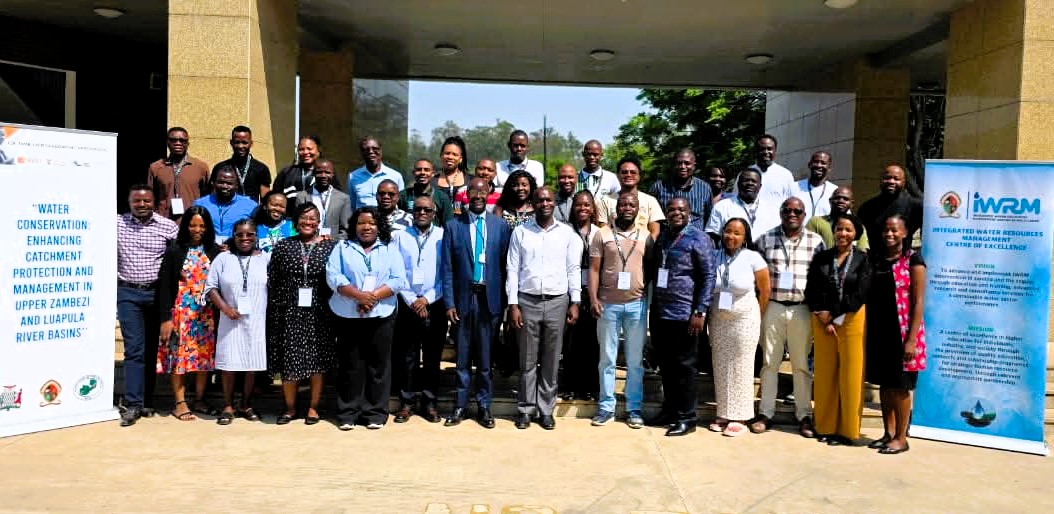
Zambia:
University of Zambia
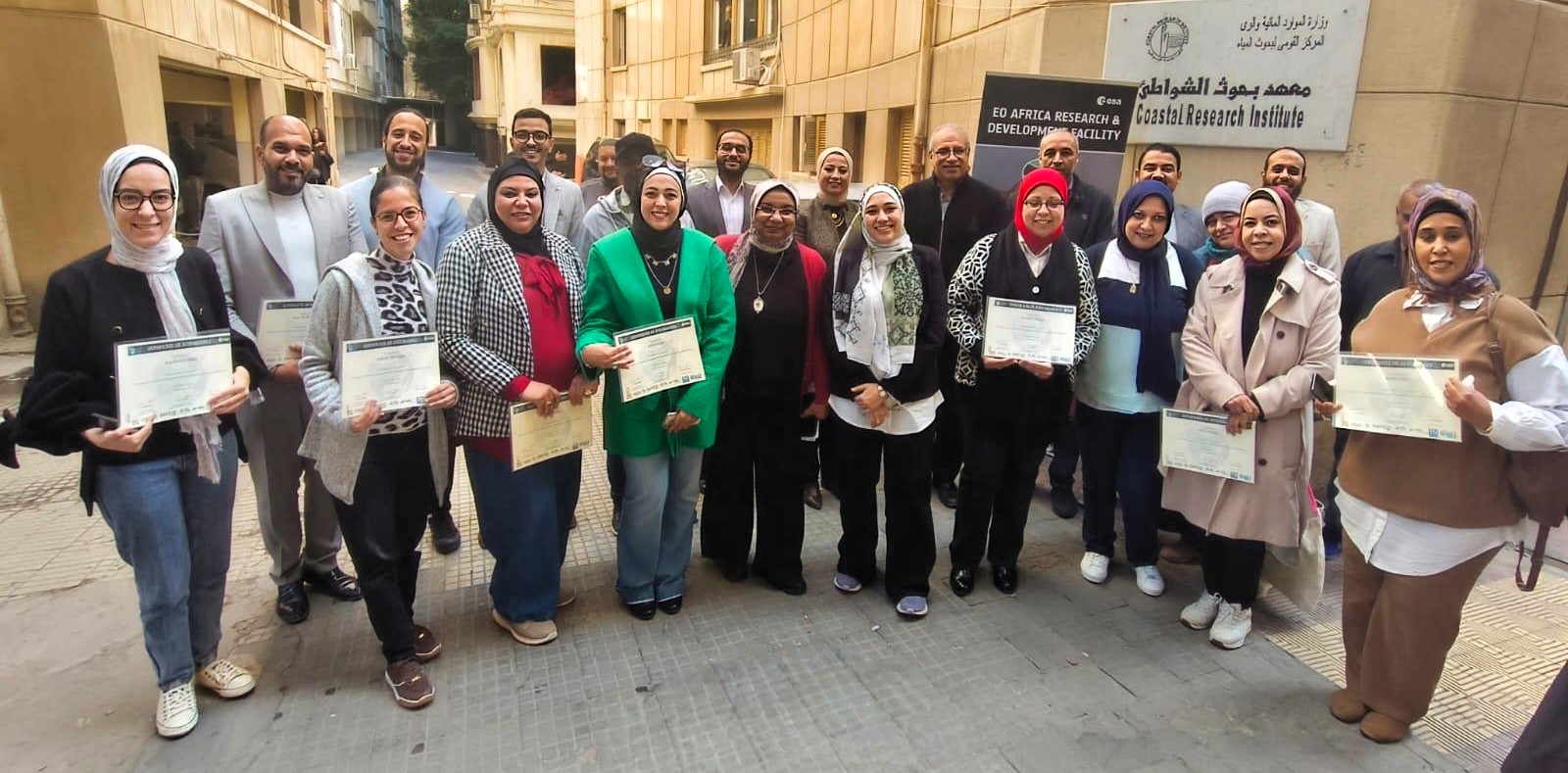
Egypt:
Coastal Research Institute
Tunisia:
Sahara and Sahel Observatory (OSS)
Morocco:
L’Université Mohammed VI Polytechnique
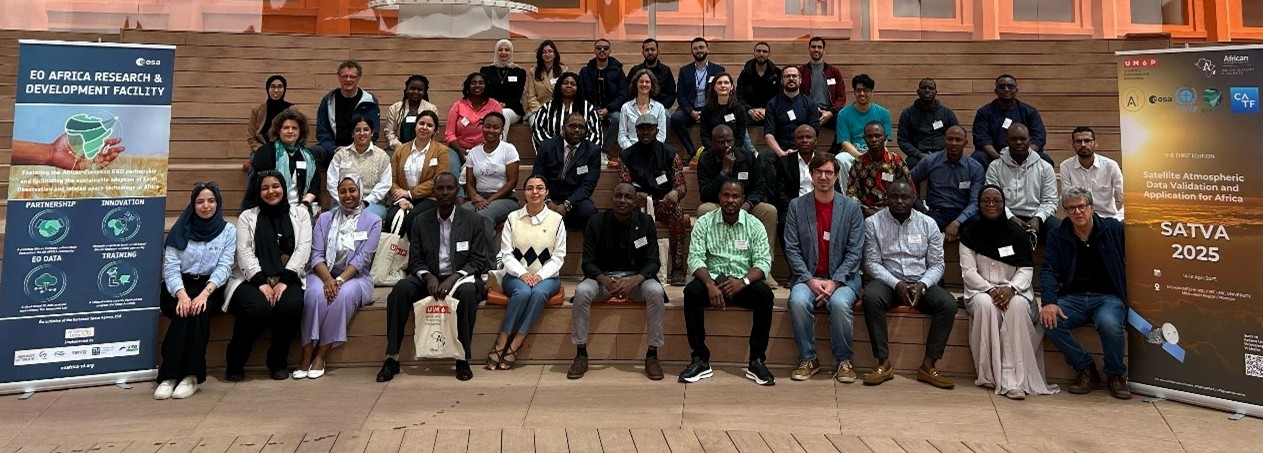
The training activities covered leveraging EO tools such as cloud computing methods and algorithms and SAR and PolInSAR data processing, and applications such as drought and crop monitoring, atmospheric studies, and coastal and marine resources, engaging participants from across the African continent.
Through these courses and webinars, close to 1,000 participants deepened their technical expertise and practical skills in EO, while connecting with peers and experts from diverse institutions, academic background and countries. The diversity of topics and formats ensured accessibility and responsiveness to the evolving trends of the EO community, reinforcing both individual competencies and collaborative networks.
On the research side, ten African-European tandems selected during the 3rd round continued to advance their research, producing interesting preliminary results, while another ten new teams were selected during the 4th — and final — call, launched in April, from an unprecedented 143 applicants.
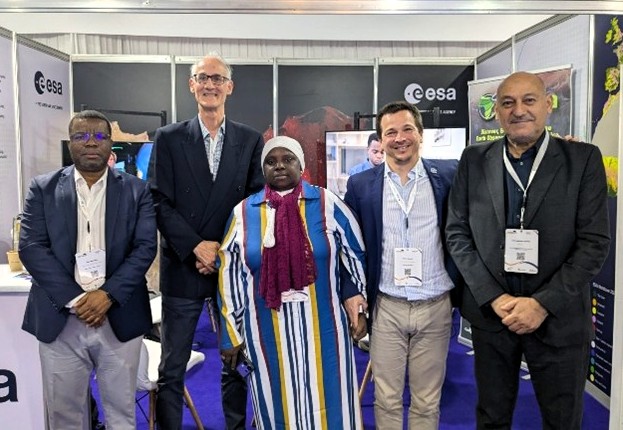
In April 2025, the Facility, represented by Arno van Lieshout, Team Lead, participated in the NewSpace Africa Conference in Cairo, Egypt. This year’s conference featured a landmark event: the official inauguration of the African Space Agency (AfSA). The ceremony brought together a distinguished group of attendees, including officials from the African Union Commission, representatives from African governments and national space agencies, members of the AfSA Council, and senior delegates from the global space community.
The occasion was also attended by our ESA Technical Officer, Dr Zoltan Szantoi, and our four Advisory Board members Dr Rakiya Babamaaji, Dr Mahaman Bachir Saley, Prof. Abel Ramoelo and Prof. Kamal Labbassi, who joined the Facility in celebration. We were honoured to take part in this historic event, which marks a significant milestone in the advancement of space technology across Africa.
One of the highlights of the year was the Facility’s participation in the ESA Living Planet Symposium 2025 (June), where the EO AFRICA researchers from the 3rd round presented the progress of their collaborative projects in a dedicated EO AFRICA session chaired by ESA and supported by members of our Advisory Board.
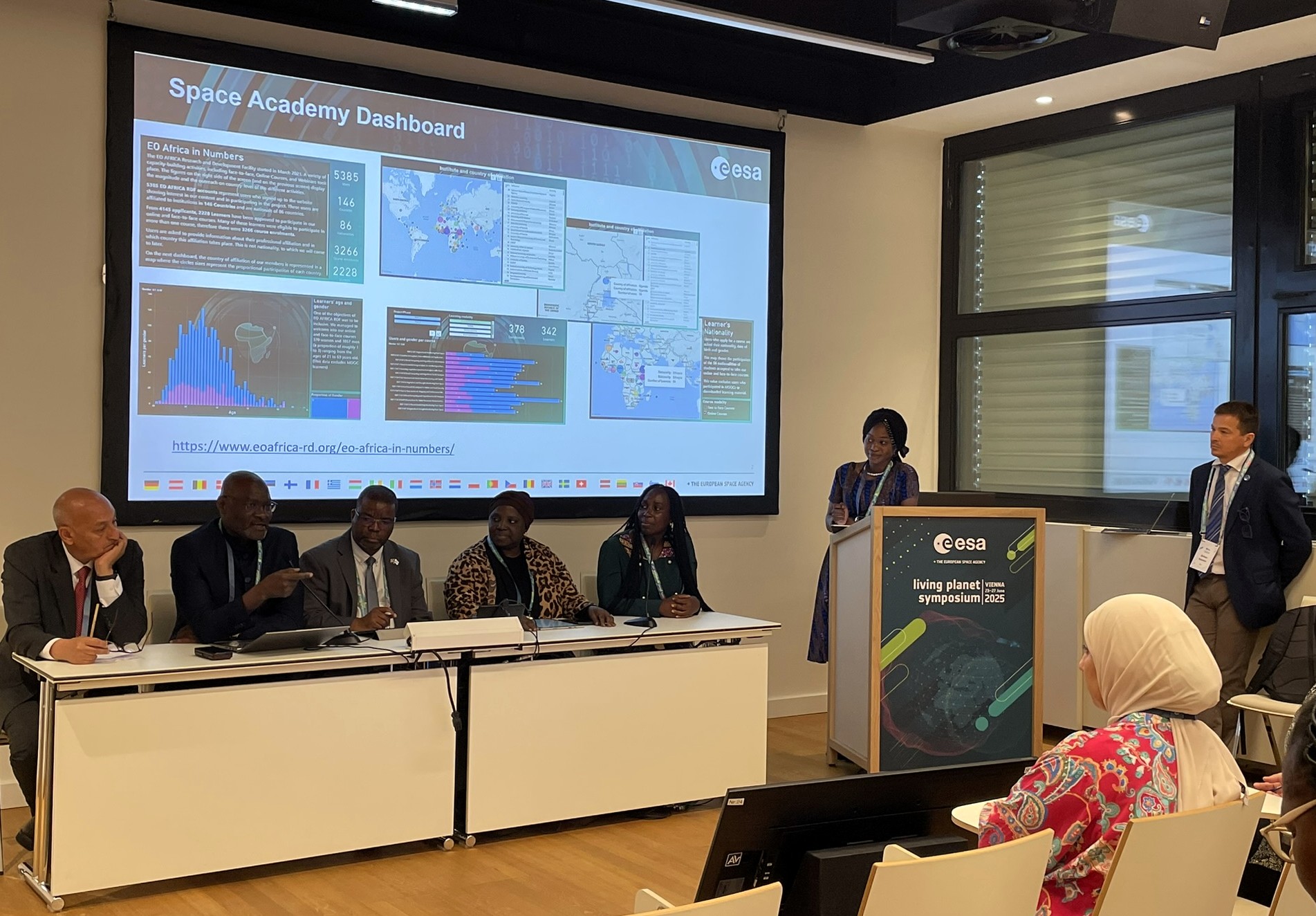
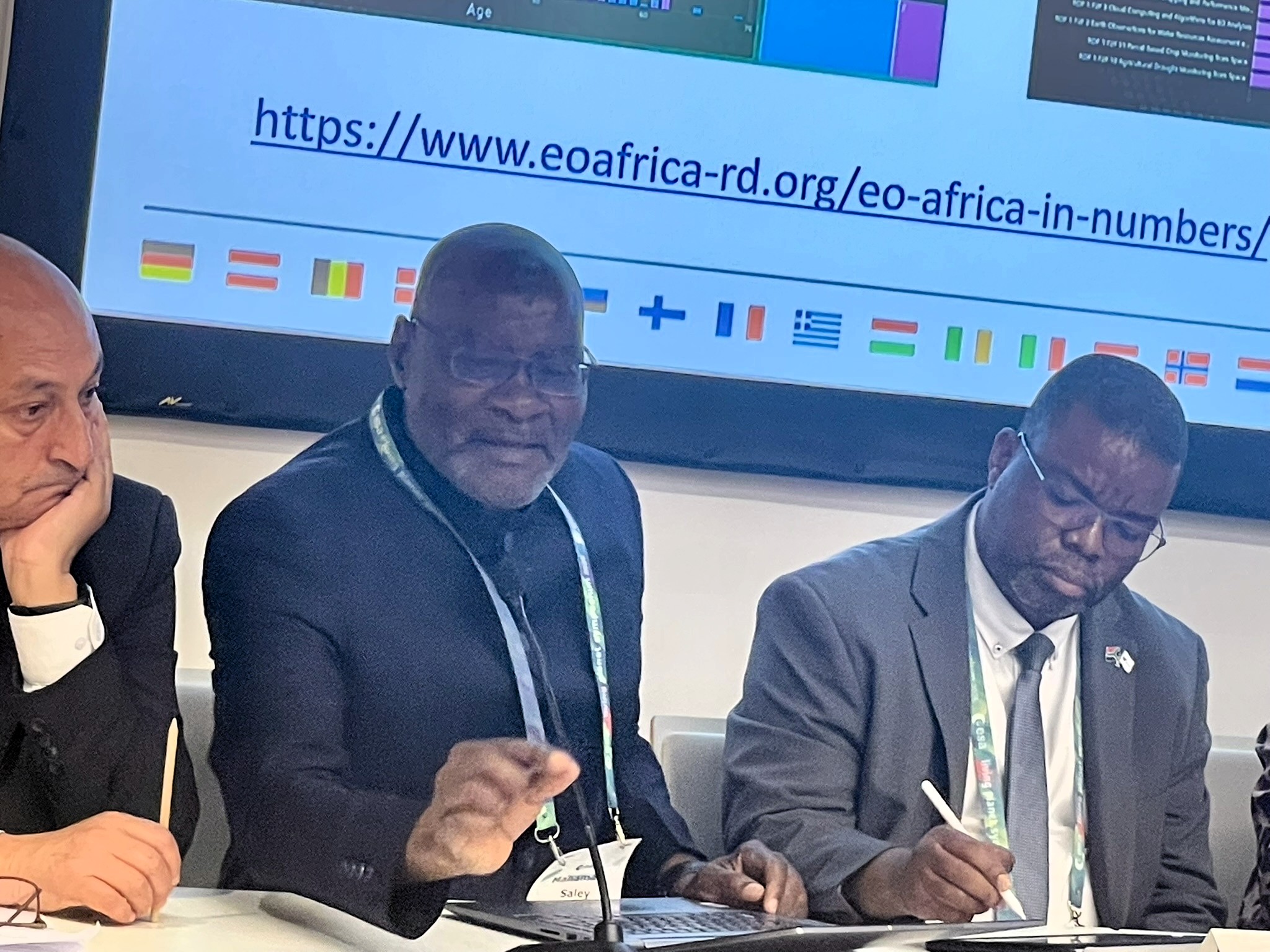
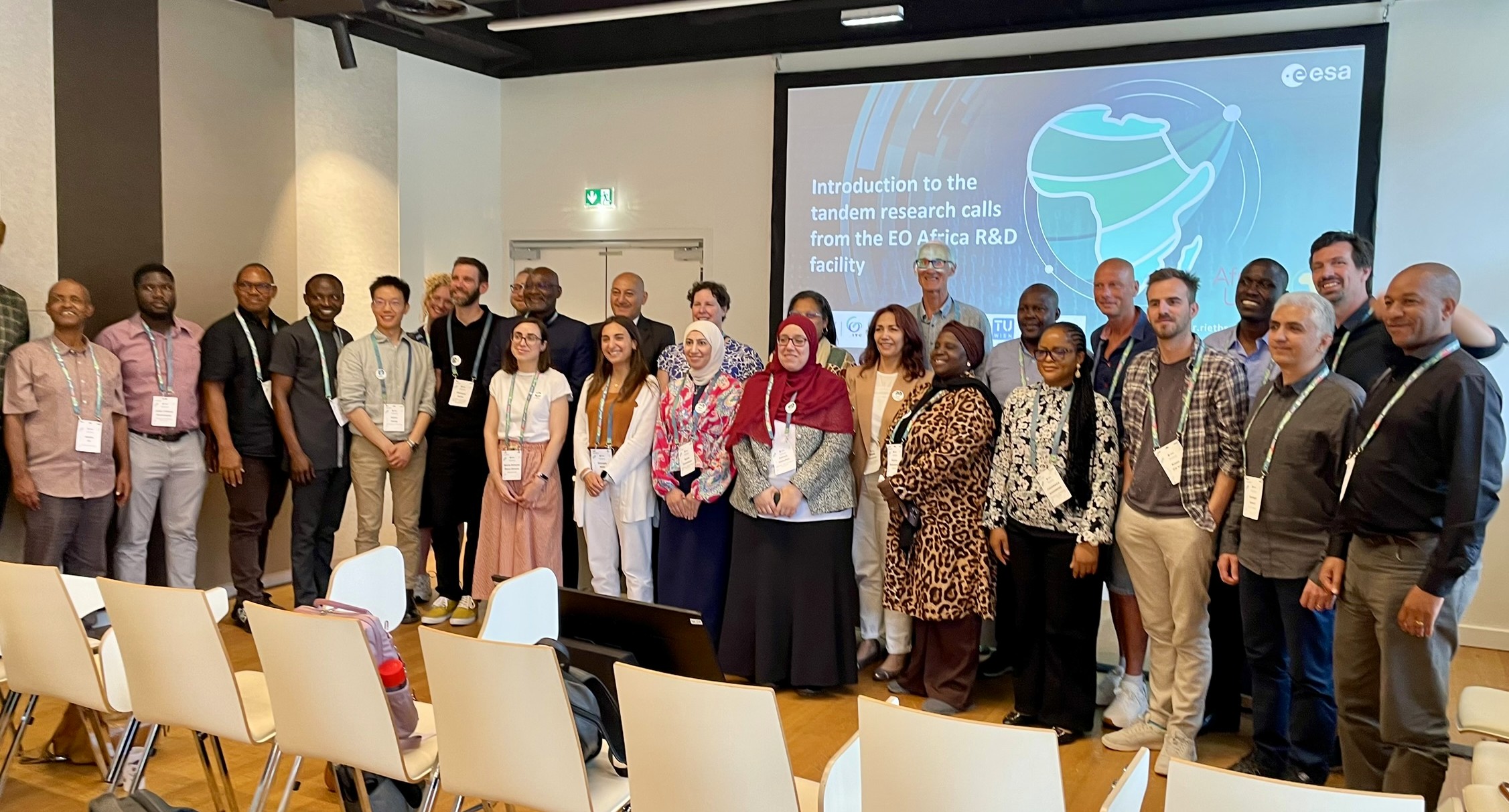
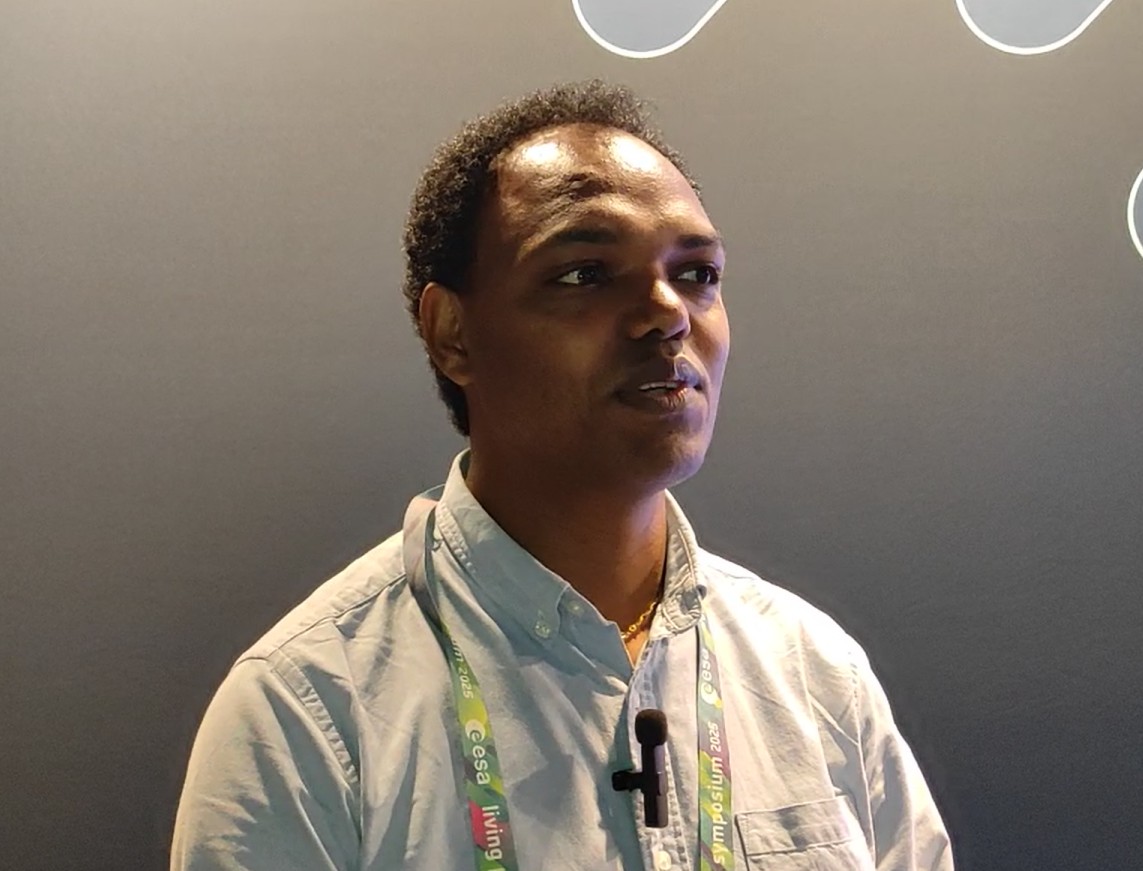
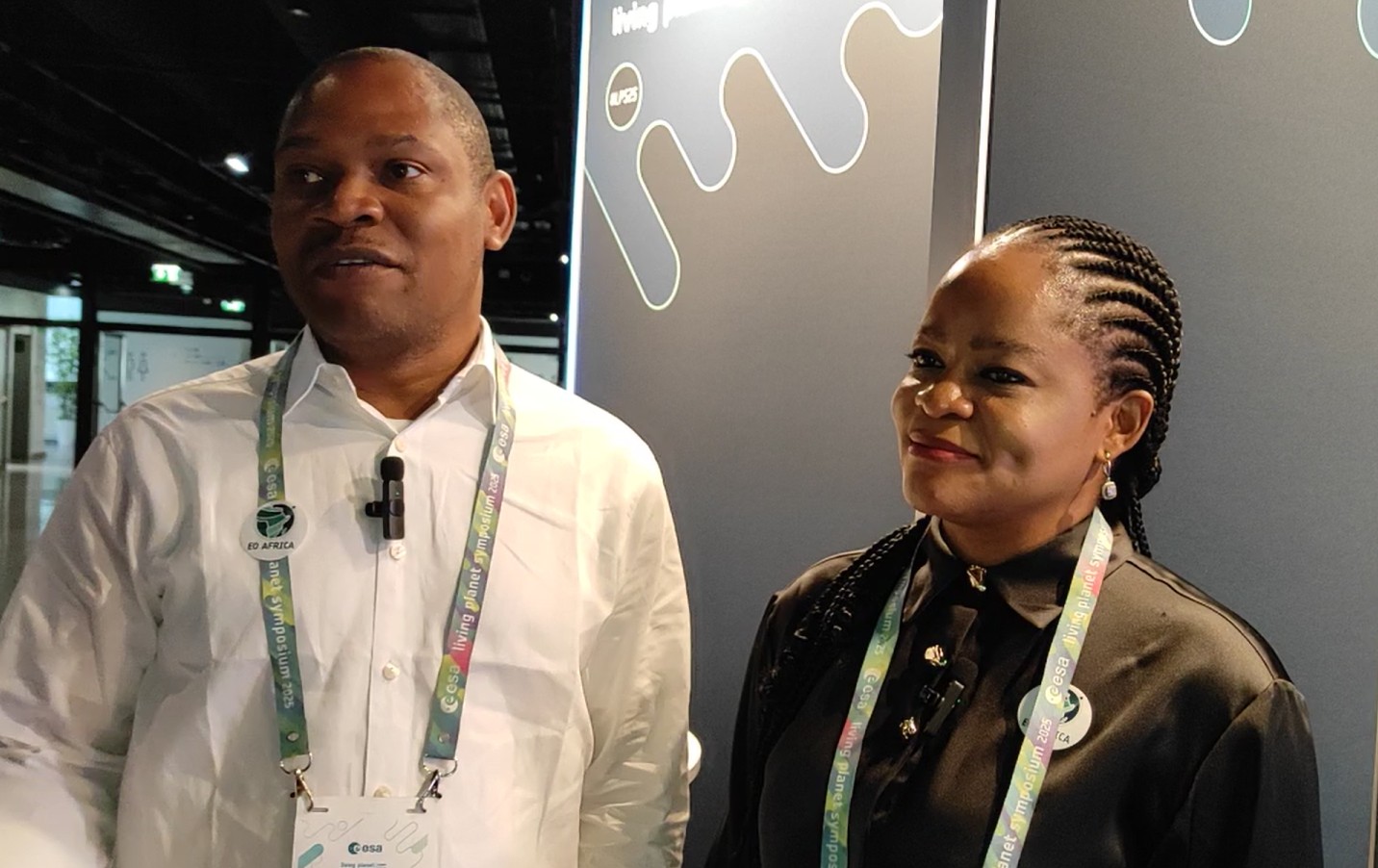
The achievements presented there reflect the strong engagement and commitment of our researchers to the Facility’s objectives. They also demonstrate that collaborative African–European research not only produces promising scientific results but also fosters professional growth and strengthens the attitudes and skills of all participants. Have a look at the testimonials from our EO AFRICA researchers: Dr Getachew M. Mulualem, Dr Chiamaka Ehiemereyu and Dr. Nnamdi Ehiemere, highlighting their experiences and the impact of this collaboration.
A special feature of the EO AFRICA R&D Facility in 2025 was the implementation of the African-led Training Material Design programme, launched in December 2024 during a workshop hosted by the University of Twente in the Netherlands. In this capacity development modality, five selected teams of African academics from universities in Benin, Kenya, Cameroon, Ethiopia and Nigeria received support from the Facility through small grants and academic coaching. The curricula under development, tailored to the practical needs of the universities involved, will contribute to strengthening the skills of African teachers and are intended to fill the local gaps in EO education. This approach reinforces the Facility’s commitment to collaborative, inclusive, and high-impact capacity-building across Africa. The teams have reported good progress in their developments, with some already delivering courses using content created under this modality. We look forward to the completion of this activity in 2026, when the training materials will be made available as Moodle downloads through the Facility’s Space Academy.
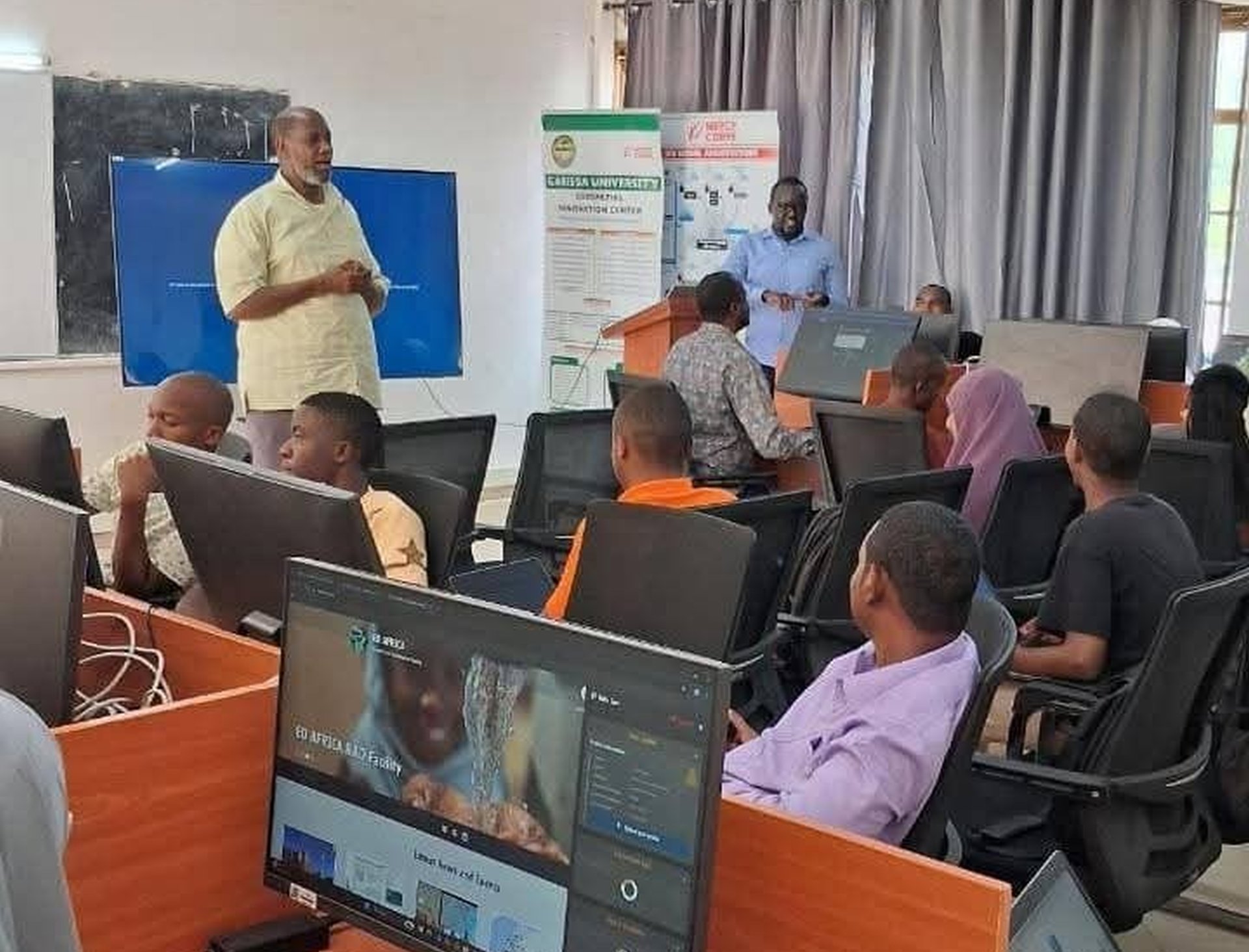
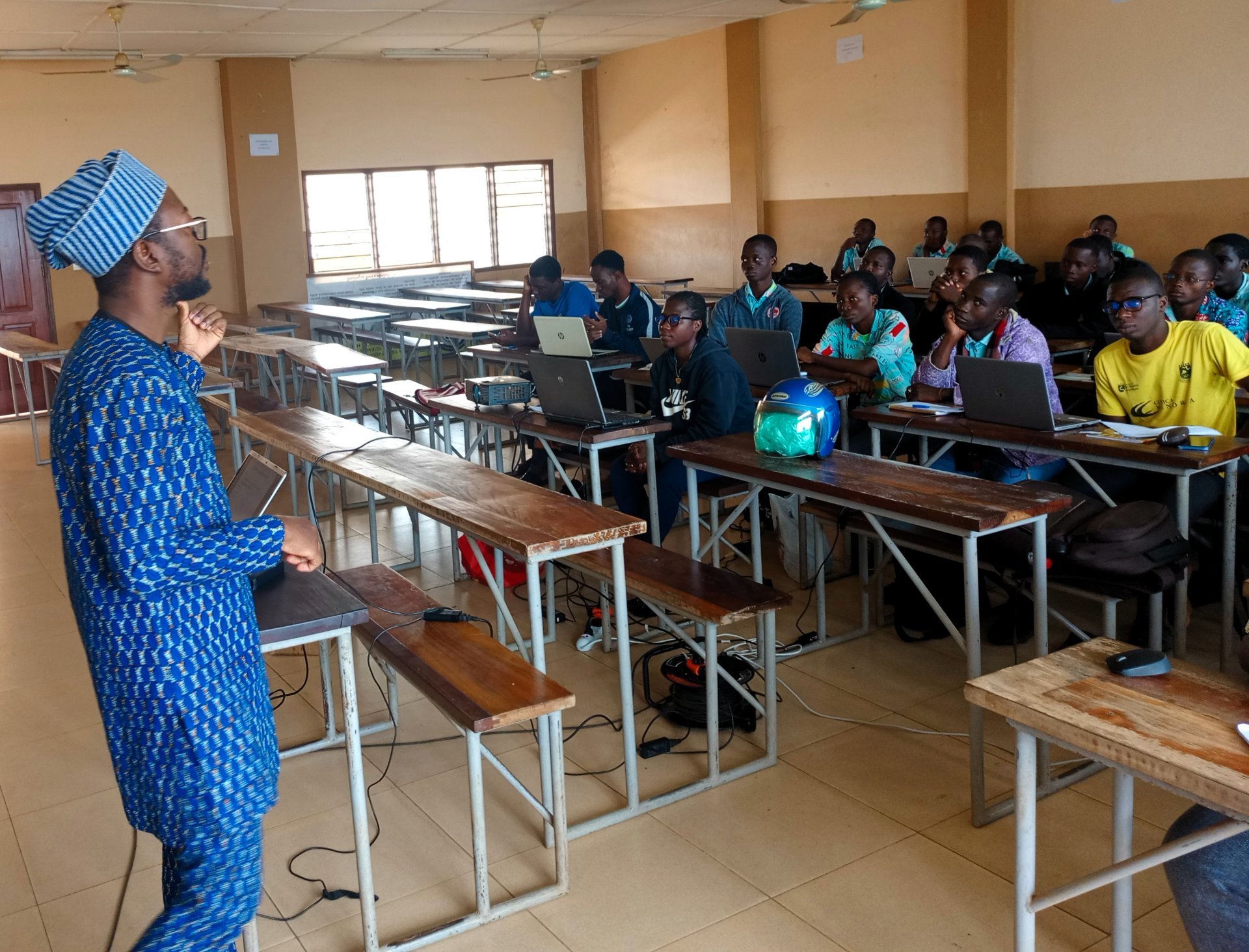
Beyond the achievements in training and research, as well as the Africa-led development of educational materials, the EO AFRICA R&D Facility has contributed to building a dynamic and collaborative learning community across the continent. By fostering dialogue, sharing experiences, and encouraging long-term partnerships between African and European researchers, the Facility has strengthened both individual competencies and collective capacity in Earth Observation.
As we close the year, we extend our sincere thanks to all trainers, advisory board members, hosts of the face-to-face courses, and participants for their dedication and enthusiasm. The lessons learned and successes of 2025 provide a solid foundation for continued training, research, and innovation in 2026 and beyond.